First off, I love snacks. Eating is fun! A play on everyone’s favorite time of day (snack time, obvi) and smart digital strategy is a pun worth pursuing.
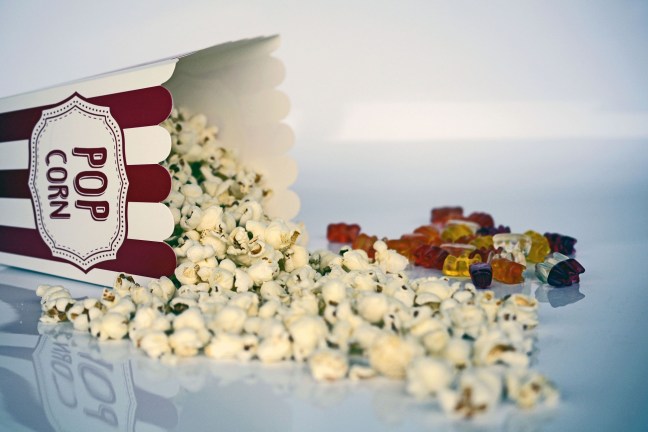
But even more important than paying homage to a midday bite to eat, the phrase “snackable content” actually refers to web content that’s meant to be bite-sized, easy to understand, and shareable. Like popcorn! Easy to make, easy to consume. More than ever, readers consume content through a scroll through their feed or a quick Google search that surfaces snippets of answers to their query. With so much information available at the tip of everyone’s fingertips, creators and brands have a limited opportunity to capture the interest of their intended audience. Content that’s designed to be “snackable” plays to this short window of opportunity.
What Kind of Content Is “Snackable”?
Snackable content can refer to any type of format and is not just limited to appearing in one type of feed or platform. Snackable content can refer to an article or listicle that’s specially designed for the reader to scan for key points. It can take the form of a shareable graphic designed to illicit attention on social platforms like Instagram. It can even appear in video format, with quick snippets of information and imagery juxtaposed in a compelling way the viewer finds both useful and shareworthy.
Examples of Great Snackable Content
There’s no hard and fast rule to creating content for your website or social platforms that defines what makes it “snackable.” But there are a few key traits that make something truly shareable. Below are some of our favorites who really embrace the short attention span of users, to great success.
1. Well-Designed Social Media Graphics
Real Simple (@real_simple on Instagram) uses clean designs and easy-to-understand bullet points to get their point across quickly in-feed. Simple graphics made to be visually appealing are more likely to be shared. Aspiring influencers care deeply about their aesthetic and aren’t as likely to share content that doesn’t fit into their design principles.
2. Easy-to-Read Lists
BuzzFeed is the king of the listicle, and their model of image + copy + image + copy turned the internet publishing world upside down in the mid 2000’s. Why use 800 words when you can use a handful of bullet points to get the same message across? Skip the flowery language and get right to the point, with some imagery sprinkled in for good measure. (Hint: Image choice can also help your SEO ranking, so choose and label photos wisely.)
3. Short, Interesting Videos
TikTok, the short-form video sharing app, is peak snackable video. Originally designed to limit user-created videos to 15 seconds (now up to three minutes), popular TikToks are short, eye-catching, and tell a story. Good TikTok videos grab the user as they scroll through a feed of content specially selected to fall into their “For You Page” driven by an incredibly effective algorithm that digital marketers are still trying to understand. Sometimes it’s pure quirk, sometimes it’s entertaining, sometimes it’s informational. But it’s always short and sweet!
Want to create a content strategy for your brand that places effective messaging and delivery at the forefront? Reach out and we’ll get to work.
 April Saylor